
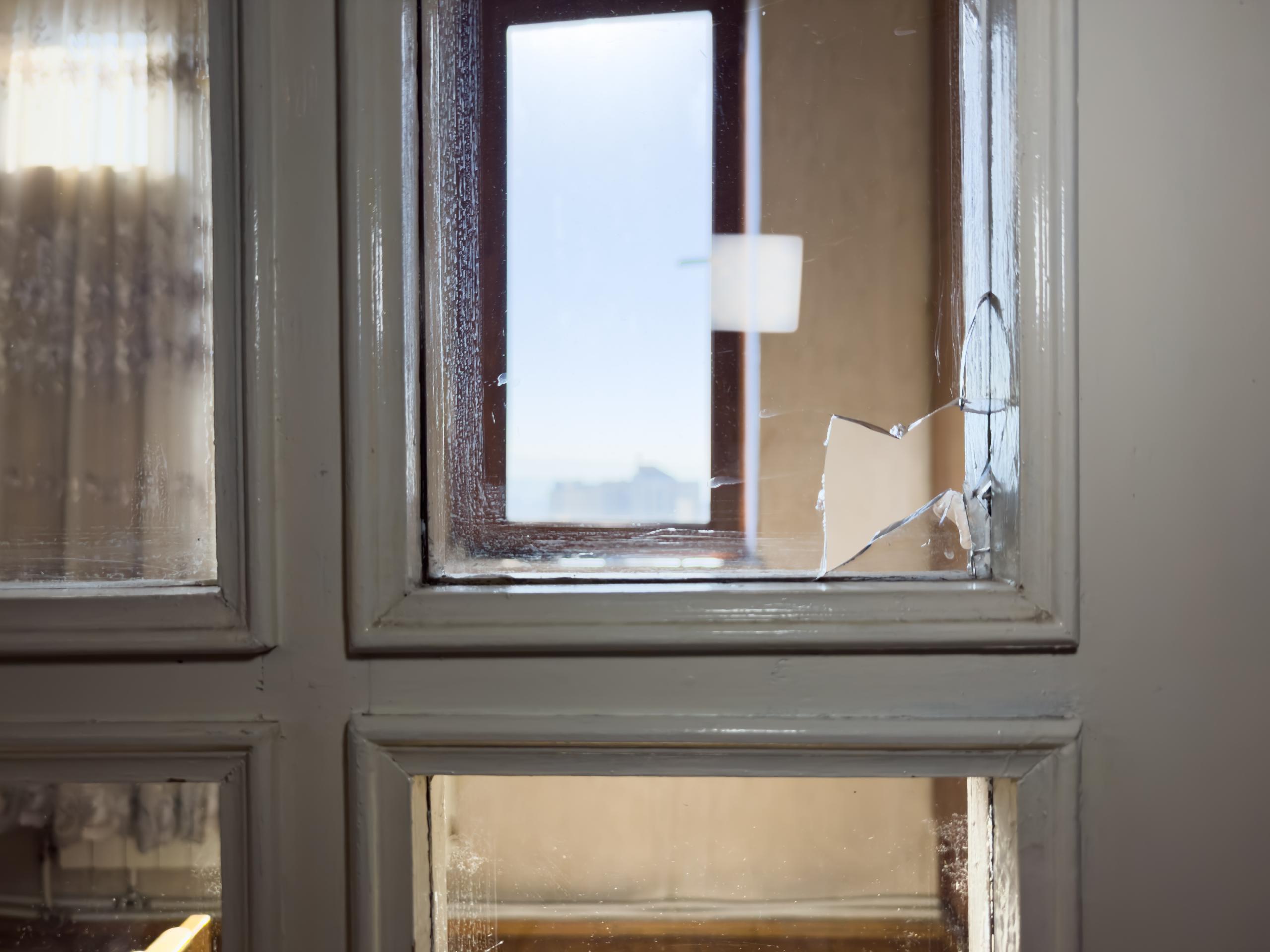
A damaged window is more than a cosmetic problem. Whether the glass has a single crack or has broken out of the frame, the condition of the pane changes how well a home is protected. SOS Glass Services, a glazing company serving Kogarah, notes that broken glass should be treated as a hazard: it should be removed, and the property made safe until replacement glass can be installed. That principle applies to security as much as to injury risk, because the longer damaged glass stays in place, the more vulnerable a home becomes.
How a Cracked Window Affects Security
A crack may look minor, but it reduces the strength of the entire pane. Glass relies on an unbroken surface to resist force, and a crack creates a weak point where stress concentrates. Temperature changes, wind pressure, and the vibration of doors closing nearby can cause the crack to spread over time.
The security concern is that a cracked pane breaks with far less force than an intact one. Because the frame and locks still work, the window can appear secure, and homeowners often delay repairs as a result. Visible damage can also suggest that a property is not being closely maintained.
The type of glass makes a difference. Laminated glass has a plastic interlayer that holds fragments together, so a cracked laminated pane usually stays in the frame and continues to resist entry. Standard annealed glass offers no such protection once it is weakened.
How a Shattered Window Affects Security
A shattered window creates an immediate entry point. The barrier between the inside and outside of the home is gone, leaving the interior exposed to entry, weather, insects, and dust. Sharp fragments left in the frame also make the area dangerous for anyone nearby.
How glass shatters depends on its type. Toughened glass breaks into small, blunt granules and usually clears from the frame entirely. Annealed glass breaks into large, sharp shards that may stay lodged in the frame, which is a security gap and an injury risk at the same time.
Comparing the Level of Risk
The main difference is timing. A shattered window is an urgent problem that needs attention the same day. A cracked window is a gradual one, where the risk grows as the glass weakens further. Neither should be left indefinitely, since a cracked pane can become a shattered one with a single impact.
What to Do With a Cracked Window
- Avoid pressing on the glass or forcing the window open and closed.
- Apply clear packing tape across the crack on both sides as a short-term measure to slow it spreading.
- Check that the locks still engage fully.
- Arrange replacement promptly rather than waiting for the crack to grow.
What to Do With a Shattered Window
- Keep children and pets away from the area.
- Wear thick gloves and closed shoes before handling any fragments.
- Carefully collect loose glass from the floor and sills, but avoid pulling shards out of the frame by hand.
- Cover the opening with plywood or heavy plastic sheeting to restore a temporary barrier.
- Contact a licensed glazier to remove the remaining glass and install a replacement.
Choosing Replacement Glass With Security in Mind
Replacing a damaged pane is also a chance to improve protection. For ground-floor or easily reached windows, laminated glass offers the strongest resistance to forced entry because it stays in place even when broken. Toughened glass is several times stronger than standard glass and reduces injury risk if it does break. A licensed glazier can recommend the right option for each window’s location and make sure the installation meets Australian safety standards. SOS Glass Services notes that choosing the right glass type for each window’s position is one of the most overlooked parts of a home security upgrade.
SOS Glass Services Pty Ltd
34 Verdun Street
Bexley
NSW
2207
Australia


