With Arizona ranked sixth-worst for new drivers, DrivingMBA urges parents to look past the state’s 30-hour practice minimum during Teen Driver Safety Week
SCOTTSDALE, AZ, UNITED STATES, October 19, 2026 /EINPresswire.com/ — Arizona teens can earn a driver’s license after 30 hours of supervised practice. That is enough time to learn to steer, brake and hold a lane. It is not enough, one Valley driving instructor says, to prepare a teenager for the moment a car ahead stops short on the Loop 101 or a pedestrian steps off the curb in the rain.
As National Teen Driver Safety Week runs Oct. 18-24, Maria Wojtczak, CEO and co-founder of DrivingMBA, which operates driver training centers in Scottsdale and Glendale, is urging parents to treat the license as a starting line rather than a finish line.
The stakes are high. In 2024, 2,320 people were killed nationwide in crashes involving a teen driver, including 752 teen drivers, and 85,947 teen drivers were injured, according to the National Highway Traffic Safety Administration. Federal data released in July show drivers ages 15 to 20 made up just 5.2% of licensed drivers but 9% of drivers involved in fatal crashes.
Arizona ranks sixth-worst in the nation for new drivers, according to a 2026 MoneyGeek analysis of all states except Kentucky. The state’s teen fatal crash rate is 69.2 per 100,000 licensed drivers ages 15 to 20. Insurance adds to the strain: covering a 16-year-old in Arizona costs an average of $422 a month, or about $5,064 a year.
State crash data shows the same pattern. In 2025, 48 Arizona drivers ages 15 to 19 were killed, and 3,192 were injured, according to data provided by the Arizona Department of Transportation. Drivers ages 16 to 19 were involved in 20,310 crashes, including 116 fatal crashes. Those figures improved from 2024, when 55 teen drivers died, as traffic deaths statewide fell for a third straight year. But progress is not the same as safety, Wojtczak said. ADOT still lists speeding, failure to fasten seatbelt and impairment as leading causes of deadly crashes.
“After 30 hours, many students can physically drive a car, and they may even look like capable drivers under familiar conditions,” Wojtczak said. “But learning to drive is about much more than steering, braking and staying in the lanes. New drivers have to anticipate hazards, respond to other motorists and stay calm when something unexpected happens.”
Arizona law requires teens under 18 to log at least 30 hours of supervised driving, including 10 at night, or complete an approved driver education program before earning a graduated license. DrivingMBA recommends families aim for 100 hours behind the wheel.
Research supports a wider approach. A 2026 review of U.S. teen driver education studies found that technology-enhanced training, including driving simulators, improved new drivers’ hazard anticipation and attention management. A separate 2026 study of teen drivers in Michigan found that teens themselves want more hands-on training in difficult conditions.
The toll is economic as well. Teen driver crashes cost about $40.7 billion a year nationwide, according to WalletHub’s 2026 ranking of the best and worst states for teen drivers.
Wojtczak recommends three steps for families this week:
* Practice beyond the basics. Don’t limit practice to familiar neighborhood streets. Give teens time at night, in the rain and on freeways and teach them to scan ahead, check blind spots and keep a safe following distance.
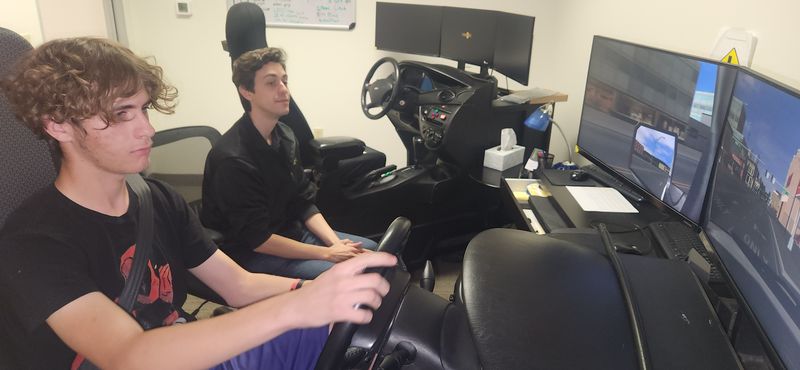
* Invest in professional training. Ask friends for recommendations, read reviews and choose a school that emphasizes defensive driving and hazard recognition, not just passing the state road test. Simulator training lets teens experience a tire blowout or a sudden stop before they face one on the road.
* Make safe decisions nonnegotiable. Set clear rules before handing over the keys: fasten seatbelt every trip, put the phone away, limit passengers, obey speed limits and never drive impaired. Of the young drivers killed in 2024 whose seat belt use was known, 53% were unbuckled, according to NHTSA. Parents should model the same habits every time they drive.
For Wojtczak, the real milestone comes well after the road test.
“My favorite point in instruction is when I don’t have to say much anymore,” she said. “The students see hazards, reduce their speed, create space and check their surroundings without my intervention. That’s when I know we’ve moved past teaching a teen to operate a vehicle. They’re thinking like a safe driver.”
DrivingMBA Locations:
Scottsdale: 17787 N. Perimeter Dr., A115
Glendale: 5940 W. Union Hills Drive, Suite D210
ABOUT DrivingMBA
Founded in 2003, DrivingMBA was launched to combat Arizona’s high rate of teen crashes. DrivingMBA delivers one of the most advanced driver training programs in the state through a blend of simulation labs, on-road instruction, and classroom education. Programs include rules-of-the-road preparation, defensive driving, adult driver education, senior assessments, and corporate fleet training. DrivingMBA also offers specialized instruction for students with Autism Spectrum Disorder, ADHD, and other learning challenges. Learn more at www.drivingmba.com.
Charlotte Shaff
THE MEDIA PUSH
+1 602-418-8534
Visit us on social media:
LinkedIn
Instagram
Facebook
YouTube
At DrivingMBA, we don’t just help teens pass the test. We help them build a foundation for safe driving for life.
Legal Disclaimer:
EIN Presswire provides this news content “as is” without warranty of any kind. We do not accept any responsibility or liability
for the accuracy, content, images, videos, licenses, completeness, legality, or reliability of the information contained in this
article. If you have any complaints or copyright issues related to this article, kindly contact the author above.

Media gallery